
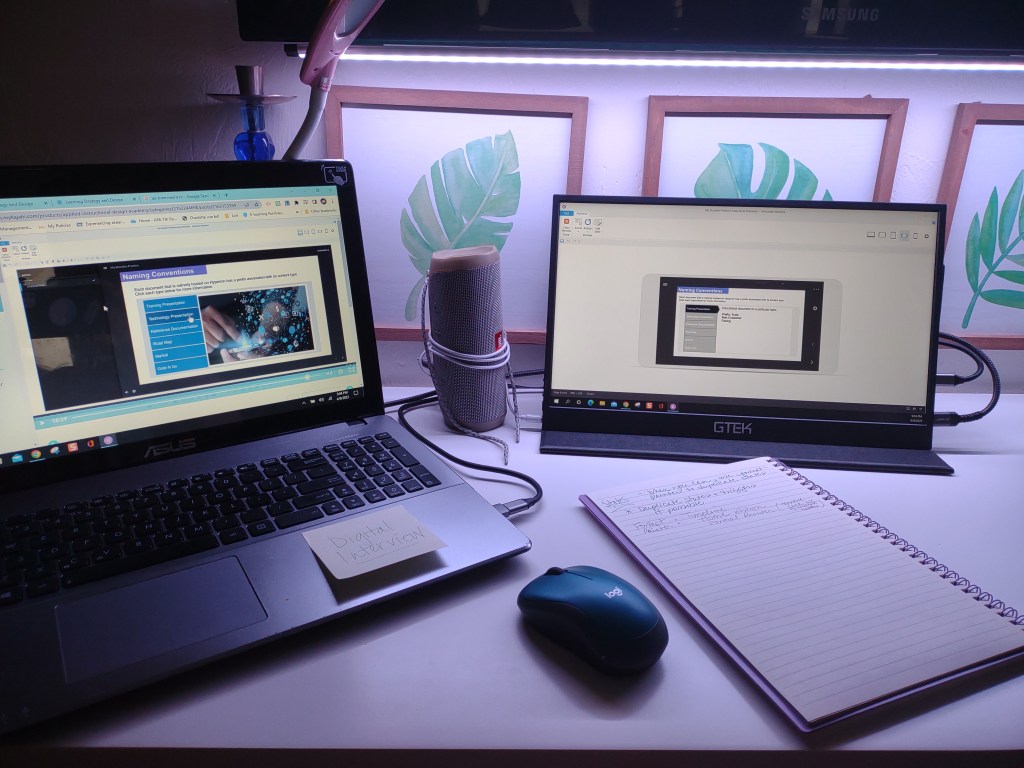
With the ever-evolving world of technology, it would seem only inevitable that technology finds itself firmly planted in the everyday workings of any modern-day classroom, either online or in person. From digitized attendance taking by the teacher to online restroom sign-outs by the student, technology has changed classroom efficiency. More importantly, however, technology has expanded the availability of both instructors and learners to meet learning needs and expectations in ways that are engaging, collaborative, immersive, and creative. With the increase in quality teacher training on how to integrate and use Web 2.0 tools in the classroom, teachers are becoming more confident in their ability to implement these tools in daily instruction (Sahin-Topalcengiz, 2020).
Web 2.0 tools specifically have increased users’ abilities to effectively communicate and collaboratively learn through different platforms like Wikis (What I Know is), podcasts, social networking sites, and blogs often compelling learners to think more critically and problem-solve more effectively. Blogging has emerged as a useful tool in education, and research is revealing positive outcomes in realms such as students’ writing, reading, and collaborative discussions (Kadir and Tasir, 2020).
Blogging is expanding the knowledge and skills of learners in interesting ways. Blogging, a form of online discussion, is a learning environment where bloggers – learners – have opportunities to self-reflect through writing while vicariously developing their social and communicative skills (Kadir and Tasir, 2020). Students who use blogging as a means of collaborative discourse are also improving their writing skills and media literacy skills while simultaneously nurturing their confidence and ability to self-express while receiving positive, helpful feedback from instructors and peers in return.
For blogging to be used to its fullest and greatest potential in the classroom to benefit learners, training in utilizing the platform for both teachers and students must continue. Alenezi (2019) asserts his research points to a common complaint amongst many faculty members is the feeling of not having the skills necessary to effectively use Web 2.0 tools, including blogging, which may result in missed learning opportunities for students if not addressed.
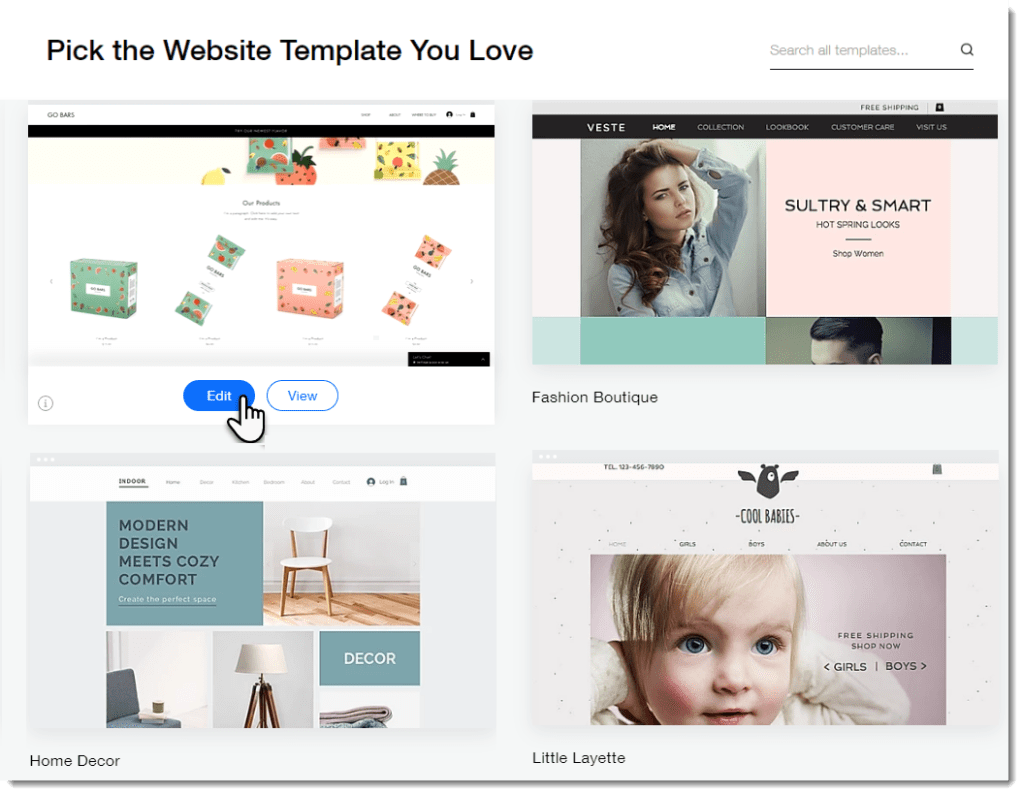
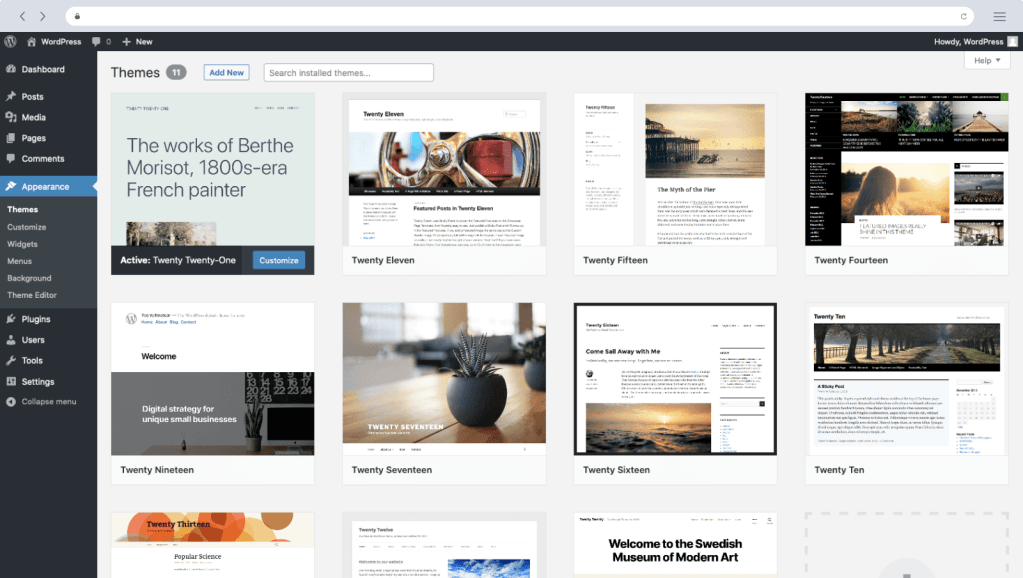
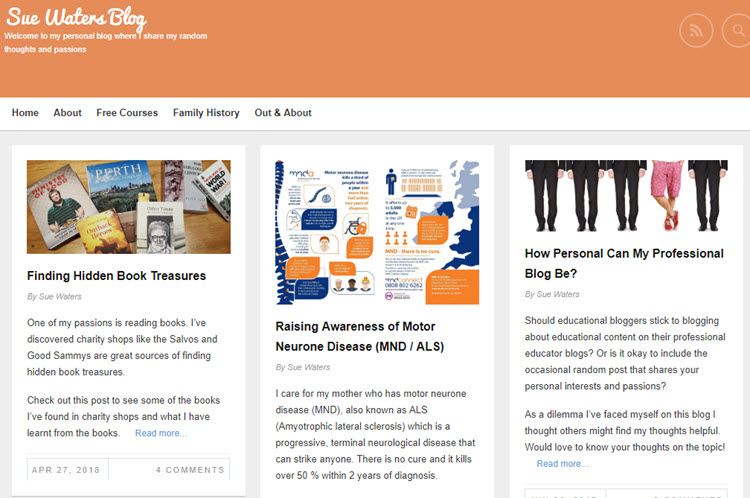
If you want to start your own classroom blog, be sure to know and understand your district’s policies and your learners’ privacy restrictions if any. Here are some resources you might consider useful in your own learning environment:
Wix
WordPress
Edublogs
References
Alenezi, F. Y. (2019). Academic Staff Use of Web 2.0 Tools and Factors Affecting Its Implementation at Northern Border University in the Kingdom of Saudi Arabia. Dirasat: Educational Sciences, 46(1), 869–879.
Abdul Kadir, N. I., & Tasir, Z. (2020). Students’ Perceptions and Information-Sharing Patterns in Learning Authoring System Course through Blogging. International Journal of Emerging Technologies in Learning, 15(19), 187–199. https://doi.org/10.3991/ijet.v15i19.10950
Sahin-Topalcengiz, E. (2020). Teachers’ Opinions about Distance Web 2.0 Tools Training and Teachers’ In-Class Web 2.0 Practices. Retrieved April 14, 2023, from https://eric.ed.gov/?id=EJ1284005
 Lori Grover - Instructional Design & Technology
Leave a comment